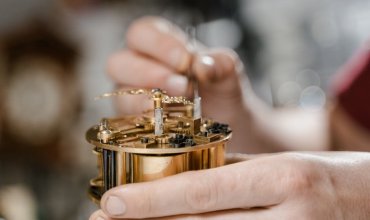

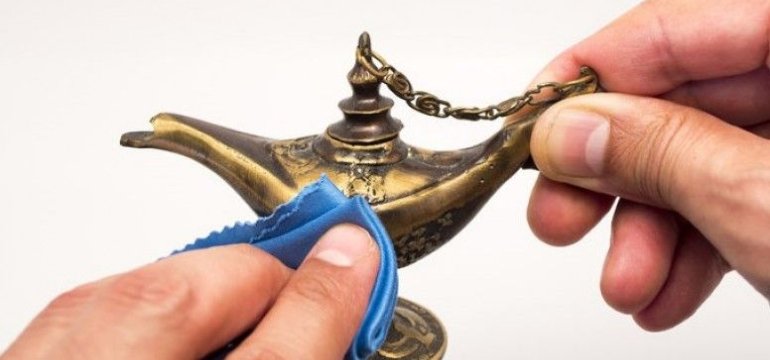
Copper is a metal with unique properties that has been used for thousands of years in various fields of life. Its warm golden color and antibacterial properties make it valued in jewelry, as well as in the kitchen and in architecture. However, copper, like other metals, becomes dirty and oxidized over time, losing its original luster. Hence the question, copper how to clean, becomes particularly relevant for anyone who owns items made of this metal.
In this article we will conduct a detailed review of the best methods for cleaning copper, from the use of home remedies to professional ways. We will present different approaches and share practical tips for restoring copper to its natural luster.
Why clean copper?
Copper, while durable and aesthetically pleasing, tends to develop a patina - a layer of oxides that can range from green to brown. In some cases, as with antique or artistic pieces, patina adds character and historical charm. However, in everyday use of copper items, such as kitchenware or jewelry, uneven discoloration can be unsightly and affect their functionality. Therefore, it is worth knowing how to clean copper.
Aesthetics and functionality
Aesthetics play a huge role in our lives. Clean copper has a unique, warm luster that draws the eye and adds elegance. Household items, such as dishes, cutlery and decorative items, gain visual value when properly cared for. Copper jewelry, on the other hand, if cleaned regularly, can dazzle anew with its luster.
Protection and long life
Cleaning copper not only improves its appearance, but also prevents further corrosion. A layer of patina, while protecting the metal from further oxidation, can in some cases contribute to surface erosion, especially in areas more exposed to moisture. Regular care of copper increases its lifespan and keeps it in excellent condition for years.
Home ways to clean copper
Many of us wonder how to take care of copper items using products available at home. Home ways to clean copper are often effective, eco-friendly and inexpensive. Below are some proven methods.
Vinegar and table salt
Vinegar and salt are a reliable duo in the fight against dirt. Copper how to clean with them? It's easy! Just mix vinegar and salt until a paste is formed. Apply it to the surface of the copper and gently scrub with a soft cloth or sponge. The copper will regain its luster and the stains will disappear as if by magic.
Lemon juice and baking soda
Another effective solution is to combine lemon juice with baking soda. This mixture works on a similar principle as vinegar with salt. The acids in the lemon effectively dissolve copper oxides, while the baking soda, acting as a mild abrasive, removes dirt. Simply apply the paste to the surface of the copper, then gently wipe it off with a cloth.
Cornmeal and vinegar
For those who prefer gentler methods, cornmeal mixed with vinegar can be an ideal solution. This method is especially recommended for cleaning delicate items, as the flour acts as a very mild abrasive.
Clean water and soap
Some copper items require only gentle cleaning. In this case, soapy water may be sufficient. However, it is worth remembering that copper should not be left wet - it should be thoroughly dried after washing.
Experts' opinions
Experts stress that home methods of cleaning copper are effective and safe, provided that they are used in moderation. Excessive use of abrasives can lead to scratching the copper surface. That's why it's always a good idea to start with the gentlest methods and gradually move to more invasive ones if necessary.
Professional copper cleaners
The market also offers a wide range of professional copper cleaners. These are products specifically designed to restore copper to its natural luster quickly and effectively.
Copper cleaning pastes and liquids
Professional copper cleaning pastes and liquids are available at most hardware stores. They contain special chemicals that effectively remove oxides and dirt without damaging the copper surface. It is worth remembering, however, that these agents can only be used according to instructions to avoid damage.
Polishing cloths
Polishing cloths are another effective tool in the fight against dirt and patina on copper. Simply wipe the surface of the item with them for an instant shine. These cloths are saturated with special cleaning substances, which makes them an extremely convenient solution.
Environmental considerations
Environmental experts recommend cautious use of chemical copper cleaners, especially if they go down the drain. So it's worth using them in moderation and reaching for eco-friendly alternatives whenever possible.
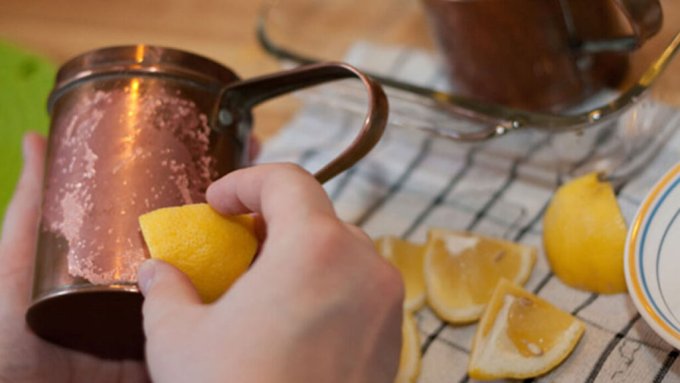
Cleaning copper step by step
In this section, we will detail the step-by-step process of cleaning copper. Whether you decide to use homemade methods or professional remedies, it's worth sticking to a few basic principles.
Step 1: Preparation
The first step is to prepare the surface for cleaning. All loose dirt, dust and food residue should be removed from it, if you are dealing with kitchen utensils. It is also a good idea to protect the areas that are not to be cleaned, such as with painter's tape.
Step 2: Choose a cleaning method
The next step is to choose the right cleaning method. Proven home remedies, such as vinegar and salt or lemon and baking soda, may be ideal for smaller items or those that are not very dirty. Professional products are worth considering for larger surfaces or more advanced dirt.
Step 3: Cleaning agent application
Cleaning agent application varies depending on the method chosen. If using a paste or liquid, apply it to a cloth and gently wipe the copper surface. For household cleaners, pastes can be directly applied to the copper and gently scrubbed with a soft brush or sponge.
Step 4: Washing and drying
Once the cleaning is complete, it is important to thoroughly wash off the residue of the cleaner with clean water. The copper item should then be thoroughly dried to prevent re-oxidation.
Step 5: Polishing
The final step is to polish the copper to give it a beautiful, shiny look. You can use a soft polishing cloth for this, which will remove any residual cleaning agents and give the surface a final shine.
Professional advice
Experts recommend regular care of copper items to avoid accumulated dirt. It is much easier to keep copper clean when it is cleaned regularly than to restore its luster after long abandonment.
The use of copper in Poland and how to care for these items
In Poland, copper is widely used in many fields, from architecture to jewelry making. Knowledge of copper cleaning methods is therefore useful for many people.
Copper in architecture
Copper is valued in architecture for its anti-corrosion and aesthetic properties. In Poland, you can find many historic buildings with roofs or domes covered with copper sheets. These elements require regular cleaning and maintenance to maintain their elegant appearance.
Copper in jewelry making
Polish jewelry making has a long tradition of using copper to make jewelry. From necklaces to bracelets, copper adds a unique touch to each piece, and its care is important to keep jewelry always looking its best.
Copper in the household
Many Polish homes have copper cookware, such as pots and pans, which are not only aesthetically pleasing, but also hygienic. Regular cleaning of these items is crucial for them to last for many years.
Advice from specialists
Specialists recommend not to over-clean copper. You can destroy the natural appearance and protective layer if you use aggressive cleaning agents too often. It is also worth avoiding excess water, as it can lead to further oxidation.
How to prevent copper corrosion?
Preventing copper corrosion is as important as cleaning it regularly. It's worth knowing a few simple rules that will help protect copper items from rapid deterioration.
Storage
The first step in preventing corrosion is proper storage of copper items. Avoid storing them in damp places where they can be exposed to the elements. A dry, dark cabinet is the best place to store jewelry and small items.
Taking care of the surface
Regular polishing and application of special protective preparations can significantly extend the life of copper items. There are products available in stores that form a protective layer on the surface of copper to prevent oxidation and corrosion.
Using the right detergents
To wash copper utensils, it is advisable to use mild detergents that will not damage the surface of the metal. Avoid strong chemicals, which can be too aggressive and contribute to faster copper wear.
Experts' opinions
Experts indicate that one of the best ways to prevent corrosion is to take regular care of copper items. By regularly washing, polishing and storing in the right conditions, copper retains its aesthetic and functional properties for many years.
Summary
Copper is a unique metal that deserves proper care. The copper cleaning methods described in the article are effective and will restore your items to their original luster. From home methods to professional remedies, the choice is yours. Remember, however, that copper, like any other metal, requires delicate treatment and regular maintenance. With the above tips and advice, your copper items will look great for many years.